
A side-by-side comparison of personal loans and credit cards to help you figure out which one actually costs less for a large purchase.
You need to cover a big expense, maybe a kitchen remodel, a wedding, or an unexpected medical bill, and you’re deciding between a personal loan and a credit card. Both let you borrow money now and pay it back over time, but the cost structure behind them is pretty different, and that difference can add up to thousands of dollars depending on how you borrow.
Here’s how to think through the decision.
The basic difference
A personal loan gives you a lump sum upfront, which you repay in fixed monthly installments over a set term, usually two to seven years. The interest rate is typically fixed, so your payment doesn’t change from month to month.
A credit card works differently. It’s revolving credit: you can borrow, repay, and borrow again up to your limit, and your minimum payment is usually a small percentage of your balance rather than a fixed amount. The interest rate is variable and, for most cards, considerably higher than what you’d get on a personal loan.
Why the interest rate gap matters so much
This is where the real cost difference shows up. Average credit card APRs tend to sit well above average personal loan APRs, often by ten percentage points or more, depending on your credit profile and the current rate environment.
Take a $10,000 expense as an example. Financed with a personal loan at 12% APR over three years, you’d pay roughly $1,950 in total interest. Put that same $10,000 on a credit card at 22% APR, and if you only make minimum payments, it could take you close to a decade to pay off and cost you several thousand dollars more in interest, sometimes more than the original purchase itself.
The math gets worse the longer a balance sits on a card. Minimum payments are designed to keep you paying for a long time, since a larger share of each payment goes toward interest rather than principal in the early going.
When a personal loan is the cheaper choice
For any expense large enough that you can’t pay it off within a billing cycle or two, a personal loan is usually going to cost less. The fixed rate and fixed term mean you know exactly what you’ll pay and exactly when you’ll be done paying it. There’s no temptation to let the balance linger, because the loan doesn’t allow for that. You pay the agreed amount each month until it’s paid off.
This works particularly well for home improvement projects that don’t qualify for a secured loan, medical procedures, debt consolidation, or pretty much any one-time cost where you know the total amount upfront and want a predictable payment.
When a credit card actually makes more sense
Credit cards aren’t always the more expensive option. If you can pay off the balance within the grace period, typically around 25 to 30 days after your statement closes, you avoid interest entirely. That makes a card the cheaper option for smaller expenses you can cover quickly.
Some cards also offer 0% introductory APR periods on purchases, often for 12 to 18 months. If you’re disciplined enough to pay off the balance before that window ends, this can beat even the lowest personal loan rate, since you’re paying zero interest. The risk is what happens if you don’t finish paying it off in time. The rate jumps to the card’s standard APR, which is often the highest of any borrowing option on this list.
Cards also make sense for ongoing or unpredictable expenses, where you don’t know the total cost in advance and need the flexibility of revolving credit rather than a fixed lump sum.
Other costs to factor in
Personal loans sometimes carry an origination fee, often 1% to 8% of the loan amount, deducted before you receive the funds. That’s a real cost worth comparing against any credit card fees, like balance transfer fees or annual fees, before deciding.
Credit cards can also come with rewards, points, or cash back that offset some of the cost if you’re using the card for everyday spending and paying it off monthly anyway. That benefit disappears quickly once you’re carrying a balance, though, since the interest charges will outweigh almost any rewards rate.
For a deeper look at how the math plays out across different scenarios, this breakdown comparing personal loans and credit cards walks through real numbers and when each option tends to win.
A simple way to decide
Ask yourself three things before borrowing. Can you pay this off within a couple of billing cycles? If yes, a credit card, ideally one with rewards or a 0% intro offer, is probably fine. Is this a large, one-time expense with a defined total cost? A personal loan is likely cheaper and easier to manage. Is your credit strong enough to qualify for a competitive personal loan rate? If your credit needs work first, it might be worth holding off on a personal loan application and improving your score, since the rate difference between, say, a 12% and a 22% personal loan APR is significant over several years.
A quick word on minimum payments
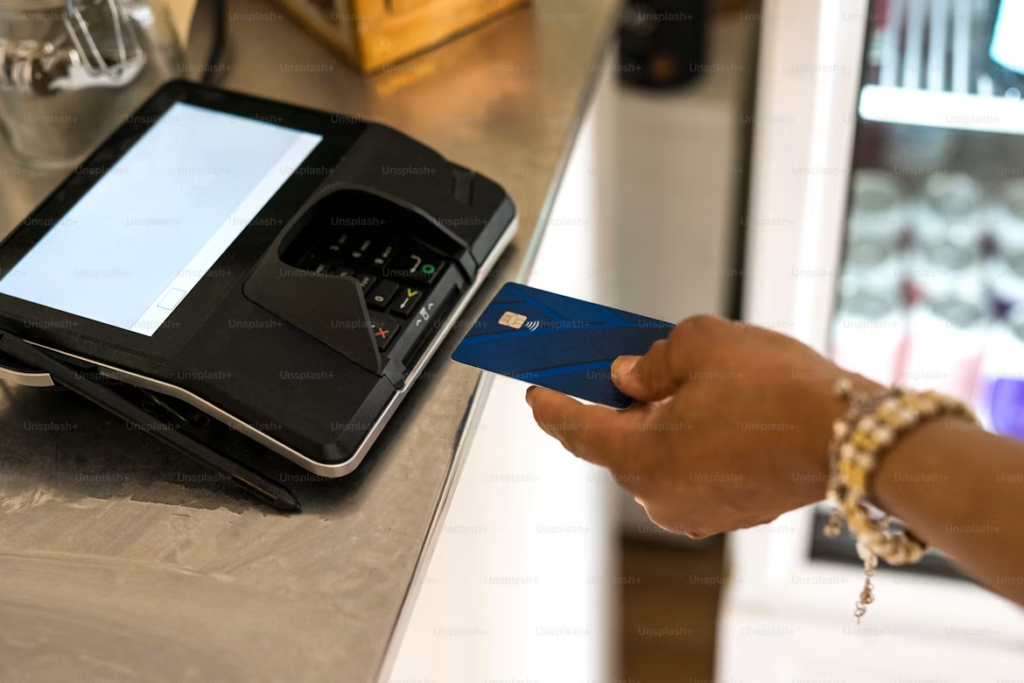
If you do end up using a credit card for a larger balance, don’t settle into paying only the minimum. Run the math on how long that would take and what it would cost in interest. Even a modest increase in your monthly payment usually shaves years off the payoff timeline and saves real money. Next time you’re holding your card at checkout for something big, it’s worth pausing to think about whether you’ll actually clear that balance before the next statement, or whether you’re signing up for a much longer and more expensive payoff than you realize.
The bottom line
For most large expenses, a personal loan will cost less than a credit card if you need more than a billing cycle or two to pay it off. Credit cards earn their place for smaller purchases, 0% intro offers you’re confident you can pay off in time, or situations where you need ongoing flexible access to credit. Run the actual numbers, including fees, before deciding. The right answer depends less on which product feels more familiar and more on how long you’ll actually need to carry the balance.
This article is for general informational purposes and does not constitute personalized financial advice.

Pau Rebollo is an independent investor and technology writer covering personal finance, passive investing, and AI tools. He has hands-on experience in equity markets and cryptocurrency, and has founded multiple ventures at the intersection of business and technology. Pau approaches financial topics from a practical perspective — cutting through the noise to deliver clear, data-backed information for everyday investors and tech-savvy readers. All content on this site is for informational purposes only and does not constitute financial advice.