
An exchange-traded fund lets you buy a basket of investments in a single trade, and understanding how that basket works is the first step toward building a long-term portfolio.
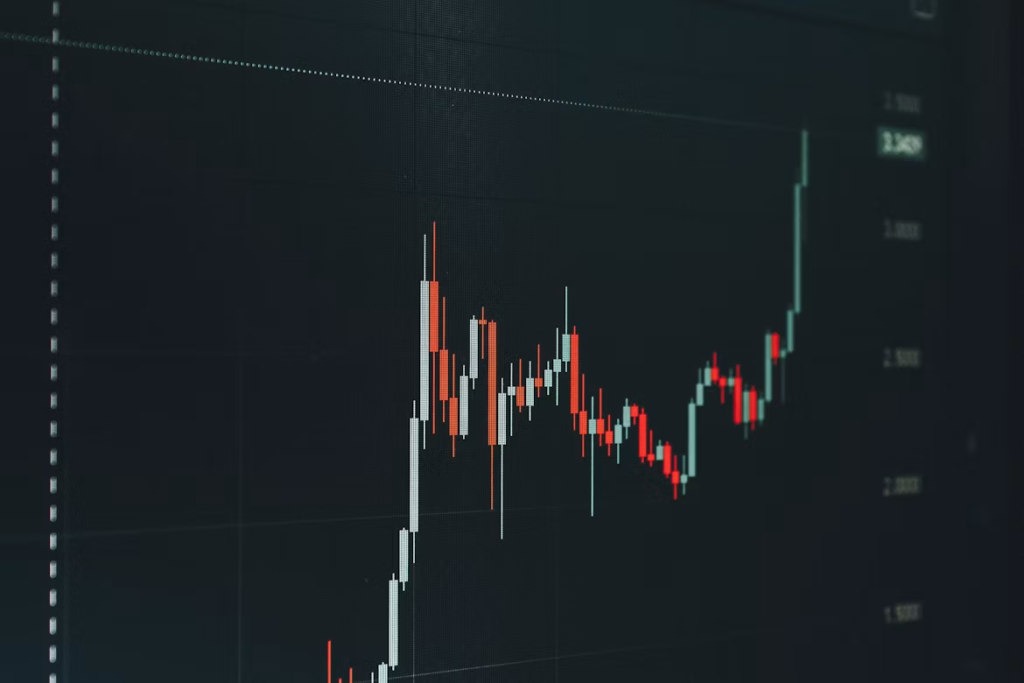
If you’ve spent any time reading about investing, you’ve probably run into the term ETF. It comes up constantly, often paired with advice like “just buy a low-cost index ETF and leave it alone.” That advice is reasonable, but it skips over the basics. What actually is an ETF, and why has it become such a popular building block for everyday investors, the same kind of building block you might picture in a chart showing an upward trend on a financial news segment?
This guide walks through what an ETF is, how it works, and why so many people use them instead of picking individual stocks.
The Basic Definition
ETF stands for exchange-traded fund. It’s a pooled investment that holds a collection of assets, stocks, bonds, commodities, or some mix of those, and trades on a stock exchange just like an individual share of a company.
When you buy one share of an ETF, you’re not buying a single company. You’re buying a small slice of everything the fund holds. A popular U.S. total stock market ETF, for example, might hold thousands of individual companies. One purchase gives you exposure to all of them in proportion to how the fund is built.
This is the feature that makes ETFs appealing to beginners. Instead of researching and buying twenty different stocks to build a diversified portfolio, you can buy one ETF and get similar diversification instantly.
How ETFs Actually Work
ETFs are built and managed by fund companies such as Vanguard, BlackRock (iShares), or State Street (SPDR). The fund company decides what the ETF will hold, often by tracking an index like the S&P 500, and then issues shares that trade on an exchange.
Here’s the part that confuses a lot of newcomers: ETF shares are created and redeemed through a mechanism involving large institutional players called “authorized participants.” These participants exchange baskets of the underlying securities for ETF shares, and vice versa. This process helps keep the ETF’s market price close to the actual value of what it holds, known as the net asset value.
You don’t need to understand the mechanics of share creation to invest in ETFs. What matters practically is this: you can buy or sell ETF shares throughout the trading day at whatever price the market is offering, the same way you’d trade a stock. This is different from a traditional mutual fund, which only prices and trades once per day after the market closes.
ETFs vs. Individual Stocks
Buying an individual stock means betting on one company. If that company performs well, you do well. If it stumbles or goes bankrupt, your investment can be wiped out.
An ETF spreads that risk across many holdings. If one company in the fund has a terrible year, its impact on the overall fund is limited because it’s just one piece of a much larger pie. That doesn’t mean ETFs can’t lose value. Broad market ETFs still rise and fall with the market, and sector-specific or thematic ETFs can be just as volatile as individual stocks. But for investors who want diversification without picking winners and losers themselves, ETFs solve a real problem.
Common Types of ETFs
Not all ETFs are the same, and the category has grown well beyond simple index trackers.
Broad market ETFs track major indexes like the S&P 500 or the total U.S. stock market. These are the workhorses of passive investing. Sector ETFs narrow in on one part of the economy, such as technology, healthcare, or energy, which makes them more concentrated and riskier than broad market funds.
Bond ETFs hold government or corporate debt instead of stocks, and they tend to offer income with lower volatility than stock funds. International ETFs give you exposure to companies outside your home country, which matters if you don’t want your entire portfolio riding on one economy.
Then there are thematic and specialty ETFs, built around trends like clean energy or robotics, or strategies like dividend growth. A small allocation to one of these can be fine, but they’re generally riskier and less diversified than a broad index fund, so they shouldn’t be the foundation of a portfolio.
If you want a deeper visual walkthrough of how these fund structures work, Charles Schwab put together a clear explainer on ETF basics that’s worth watching before you make your first purchase.
Why ETFs Became So Popular
A few things explain the ETF boom over the past two decades. Cost is a big one: many ETFs, especially those tracking broad indexes, charge very low annual fees compared to actively managed mutual funds. They’re also flexible. You can buy and sell shares any time the market is open, set limit orders, or hold them in retirement accounts and taxable brokerage accounts alike. And most ETFs disclose their holdings daily, so you generally know exactly what you own rather than waiting for a quarterly report.
There are trade-offs worth knowing too. Trading ETFs frequently can rack up transaction costs or tax consequences if held in a taxable account, and some niche ETFs carry higher fees and lower liquidity than their broad-market counterparts. Reading the fund’s prospectus and checking its expense ratio before buying is always a good habit.
Getting Started
Opening a brokerage account and buying your first ETF is technically simple. The harder part is deciding which fund fits your goals, time horizon, and comfort with risk. A broad, low-cost index ETF is often a sensible starting point for someone building long-term wealth, but your situation may call for something different.
Final Thoughts
ETFs aren’t magic. But they’re a genuinely useful tool that gives ordinary investors access to diversified portfolios without needing a finance degree or a pile of capital to start. Understanding what you’re buying, and why, puts you in a much better position to make decisions that actually fit your situation.
This article is for informational purposes only and does not constitute personalized investment advice.

Pau Rebollo is an independent investor and technology writer covering personal finance, passive investing, and AI tools. He has hands-on experience in equity markets and cryptocurrency, and has founded multiple ventures at the intersection of business and technology. Pau approaches financial topics from a practical perspective — cutting through the noise to deliver clear, data-backed information for everyday investors and tech-savvy readers. All content on this site is for informational purposes only and does not constitute financial advice.